The BT switch off: What it means and how to prepare
BT price increase explained for UK businesses
If you have seen news about a BT price increase and wondered how it affects you, you are not alone.
Each year, BT reviews its prices, and recent rises have left many customers questioning their bills.
This quickfire guide explains what the BT price increase means, how much prices are going up, and what options you have if you are not happy with the change.
What is the BT price increase?
The BT price increase is an annual price change applied to the cost of BT services. It usually happens once a year and can affect broadband, phone and mobile plans, along with some business services.

The increase is typically added automatically to your monthly bill, even if you are still within a contract. While BT does notify customers in advance, the impact is not the same for everyone. How much you pay depends on the services you use, your contract terms, and when you originally signed up.
BT price increase 2025: What happened and what it means
In 2025, BT changed how it applies annual price increases under new Ofcom rules. For many customers, this meant fixed increases in pounds and pence rather than rises linked to inflation:
- For new or renewed broadband contracts taken out on or after 31 July 2025, BT introduced an annual £4 per month rise applied each March.
- For mobile plans, annual increases also rose (for example, some SIM-only plans went up by about £2.50 per month).
- Older contracts (before 10 April 2024) still saw inflation-linked increases based on the Consumer Price Index (CPI), which for 2025 worked out to about 6.4% (2.5% CPI plus BT’s 3.9%).
These figures show that 2025 price rises were not just percentage increases tied to inflation, but also clear, fixed annual amounts — something Ofcom’s new rules were designed to encourage. A fixed approach can be easier to understand, but it also means the real cost to customers is often higher than in previous years.
How much is BT increasing prices by?
BT price increases are usually linked to inflation. BT applies a percentage rise to your monthly bill rather than adding a fixed amount. This means the higher your bill is already, the more noticeable the increase can feel.
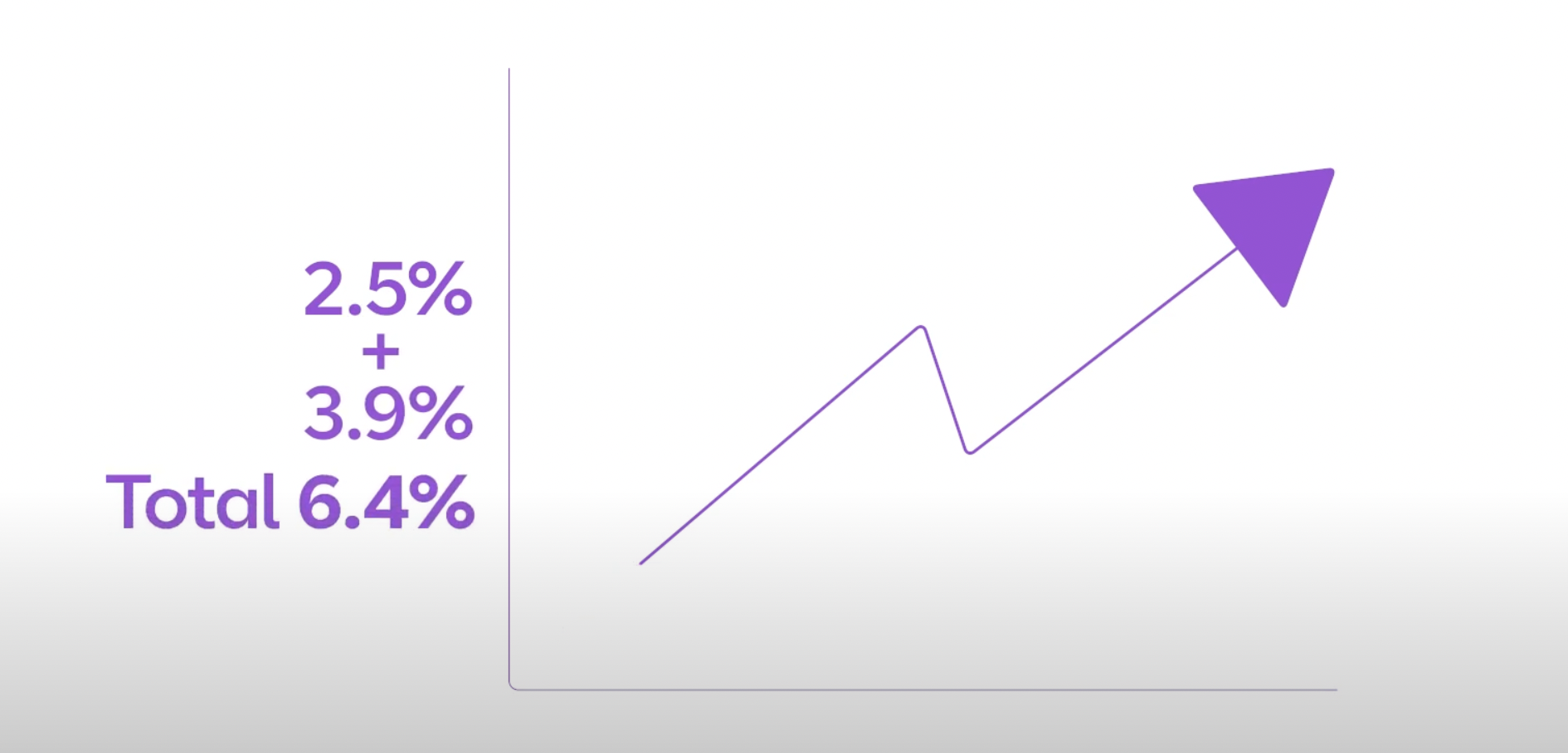
For many customers, the rise works out at a few pounds extra each month. While that might not sound like much on its own, over a year it can add up. The exact increase depends on the service you have, when you signed your contract, and whether your plan includes broadband, phone or mobile services.
BT normally confirms the percentage increase in advance, but customers often only realise the full impact once the higher bill arrives.
Why is BT increasing prices?
BT says its price increases reflect rising costs across the business. These include maintaining and upgrading the network, higher energy costs, and increased supplier and staffing expenses.
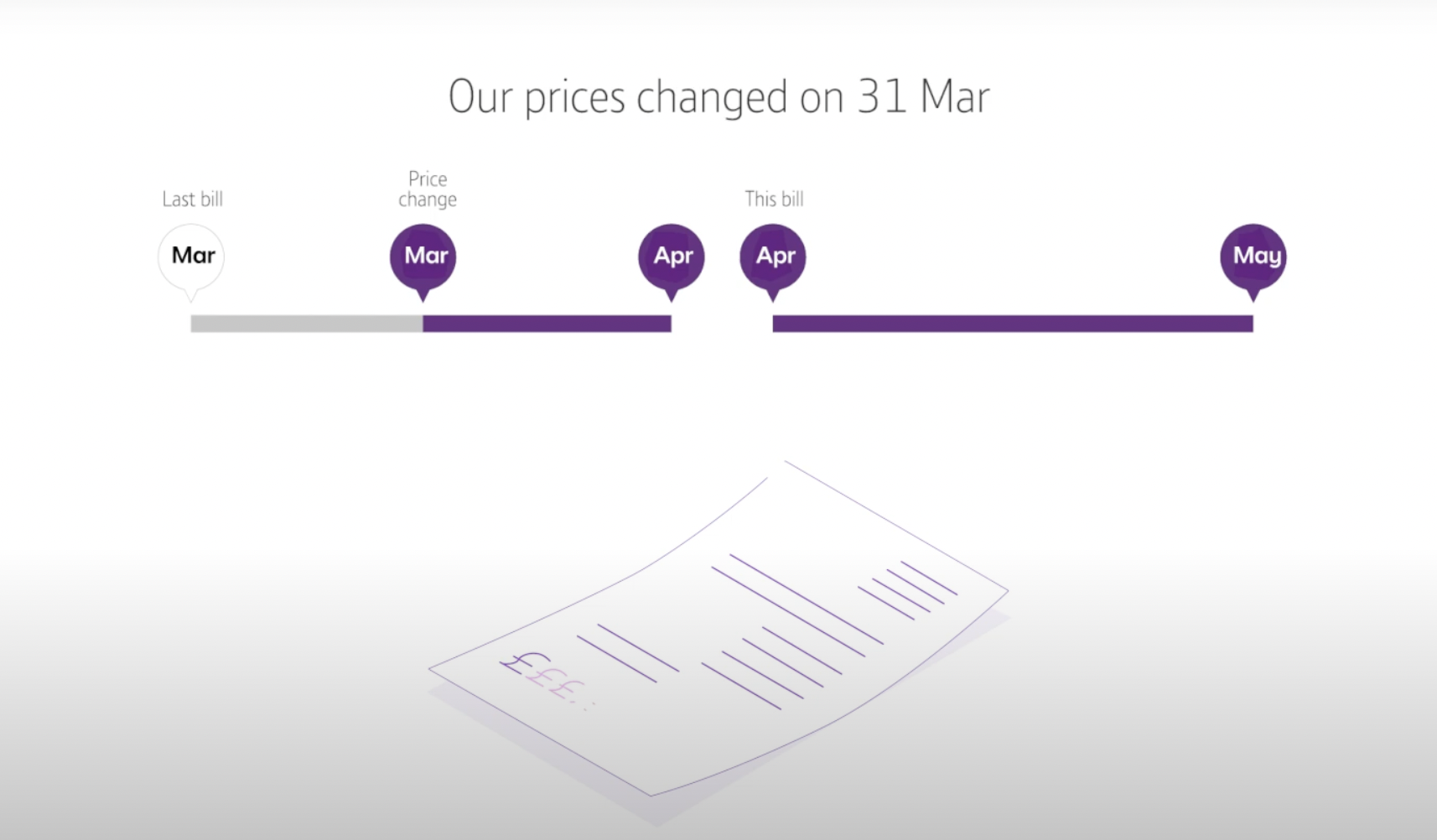
Inflation also plays a big part. Inflation is a measure of how much prices are rising across the economy. Many telecoms providers now link their annual price rises to this figure, which means bills tend to go up every year rather than staying fixed for the length of the contract.
While these reasons help explain the increase, they do not always align with customer expectations, especially for those who believed their monthly price would stay the same during a contract.
Who is affected by the BT price increase?
The BT price increase does not affect every customer in exactly the same way. While most people will see some form of rise, how much you pay depends on your services, your contract, and when you signed up.
- Home broadband and phone customers: Most residential broadband and landline plans include annual price rises. These are usually applied automatically, even if you are still within your minimum contract term.
- Mobile customers: Many BT mobile and SIM-only plans are also affected by annual increases. The exact rise can vary by tariff, but it often shows up as a fixed monthly increase rather than a percentage.
- Business customers: Some BT business broadband and phone contracts allow for yearly price increases. For small businesses, even a modest rise can have a noticeable impact on monthly costs.
- Customers still in contract: If you are mid-contract, the price increase is usually applied without any action needed from you. This often catches people out, especially if they expected their price to stay fixed.
- Out-of-contract customers: Customers who are no longer tied into a contract may already be paying higher rates. Any additional increase can make the service feel poor value compared to newer deals elsewhere.
The key takeaway is that contract terms matter. Checking what you signed up to is the first step in understanding how the BT price increase applies to you.
Are BT price increases written into contracts?
In many cases, yes. BT often includes annual price rise clauses in its contracts. These clauses allow prices to increase each year, even while you are still within the minimum contract term.
When you sign up, the contract usually explains that prices may rise in line with inflation, sometimes with an additional percentage added on top. This information is not always easy to spot, which is why many customers are surprised when their bill goes up.
If your contract includes this clause, the price increase is considered part of the agreement. That means the rise itself does not automatically give you the right to leave without penalty.
Can you cancel your BT contract because of the price increase?
Whether you can cancel depends on the terms of your contract. If the price increase was clearly set out when you signed up, BT is generally allowed to apply it without offering a penalty-free exit.
However, there are situations where customers may have more flexibility. If BT changes the terms of your contract in a way that was not clearly explained at the start, or if the increase goes beyond what was agreed, you may have grounds to challenge it.
BT should notify you in advance of any price rise. If you are unsure where you stand, it is worth checking your original contract or speaking directly to BT before making a decision.
What are your options if you are unhappy with the BT price increase?
If the higher bill does not sit well with you, there are a few routes you can take. Some customers decide to stay with BT and absorb the increase, particularly if the service has been reliable and still meets their needs.
Others try to renegotiate, especially if they are nearing the end of their contract. This can sometimes lead to a discount or a different package, but it often requires time and persistence, with no guarantee of success.
Another option is to review your setup with an independent specialist. B4BC works with UK businesses to assess their current broadband and phone services, explain contract terms in plain English, and highlight whether better value or more predictable pricing is available elsewhere. This is not about switching for the sake of it, but about making sure your service still fits your business and budget.
Is BT still good value after the price increase?
Whether BT still offers good value depends on what you need from your broadband or phone service. BT is known for wide coverage, reliable infrastructure and a strong network, which many customers are happy to pay a bit more for.
That said, a price increase can tip the balance. If your monthly bill is rising but your usage or needs have not changed, it is reasonable to question whether you are still getting value for money. Other providers may offer similar speeds or features at a lower price, especially for new customers.
This is a good time to look beyond the headline price and think about what you actually use and rely on day to day.
How to avoid future broadband and phone price rises
Avoiding unexpected price rises often comes down to choosing the right contract in the first place. Some providers build inflation-linked increases into their terms, while others offer fixed pricing for the length of the agreement.
Many businesses turn to B4BC for help navigating these options. By focusing on clear pricing, transparent contracts, and services matched to real business needs, B4BC helps reduce the risk of sudden increases part way through a contract.
Regular reviews also matter. Technology and tariffs change quickly, and staying on an outdated deal can quietly cost more than expected. Having a trusted partner to sense-check your setup can make long-term costs far easier to manage.
B4BC: A better option for small UK businesses
BT price increases can feel unavoidable, but you are not stuck without options. Understanding how your contract works and reviewing whether your current service still offers value puts you back in control.
For businesses that want clarity and price certainty, B4BC provides straightforward advice on broadband and phone services, without jargon or hidden surprises.
Whether you decide to stay with BT or explore alternatives, getting an expert view can help you make the right decision with confidence and avoid unnecessary costs in the future.
Get in touch with B4BC today for clear, independent advice on whether your BT price increase is fair or if better options are available.
